How to Prevent Kitchen Fires: What the Fire Data Shows
Unattended cooking is the leading cause of kitchen fires. How to prevent kitchen fires using NFPA and USFA data, plus where stove safety devices fit in.
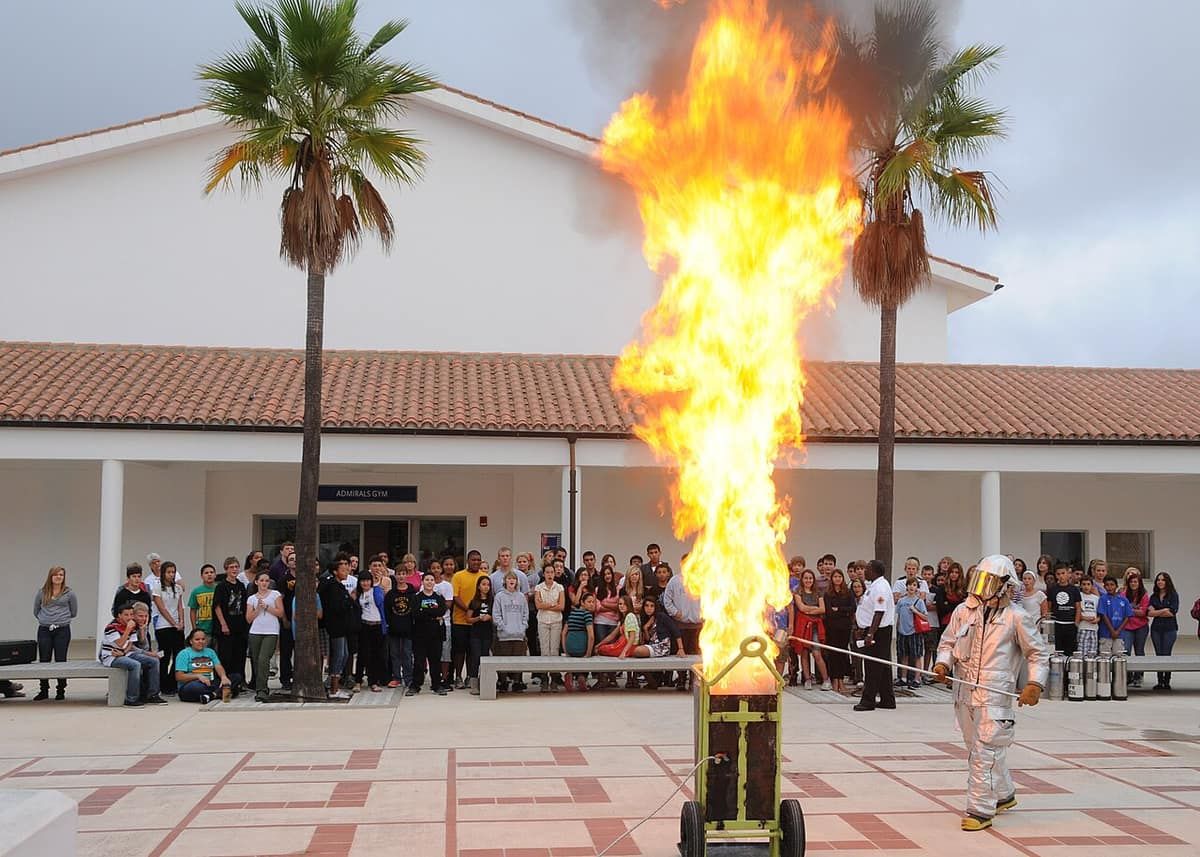
To prevent kitchen fires, stay with the pan. Unattended cooking is the leading cause of kitchen fires: NFPA’s Home Cooking Fires report found it was a factor in 28% of U.S. home cooking fires and 48% of cooking fire deaths. Stay in the kitchen when frying, broiling or boiling, turn the burner off if you leave, keep towels and packaging away from the stovetop, and don’t cook when you’re drowsy.
How common are kitchen fires? NFPA and USFA numbers
Cooking is the leading cause of U.S. home fires and home fire injuries, per NFPA. The table keeps NFPA’s 2017-2021 annual averages and USFA’s single-year 2021 estimate apart, because they cover different years and don’t match. NFPA notes that 2021 cooking fires dropped to the lowest level since 2005.
| Risk factor / statistic | Figure | Data years | Source |
|---|---|---|---|
| Home cooking fires per year | 158,400 (44% of home fires) | 2017-2021 average | NFPA |
| Deaths and injuries per year | 470 deaths (18% of home fire deaths); 4,150 injuries (42%) | 2017-2021 average | NFPA |
| Direct property damage per year | $1.15 billion | 2017-2021 average | NFPA |
| Home cooking fires, one year | 170,000 fires; 135 deaths; 3,000 injuries; over $494 million loss | 2021 | USFA |
| Equipment unattended | 28% of fires; 48% of deaths | 2017-2021 | NFPA |
| Unattended equipment, nonconfined fires | 37% of fires | 2021 | USFA |
| Heat source too close to combustibles | 10% of fires; 18% of deaths | 2017-2021 | NFPA |
| Failure to clean | 9% of fires | 2017-2021 | NFPA |
| Unintentionally turned on or not turned off | 7% of fires; 11% of deaths | 2017-2021 | NFPA |
| Clothing first ignited | Under 1% of fires; 7% of deaths | 2017-2021 | NFPA |
| Range or cooktop involved | 53% of fires; 88% of deaths; 74% of injuries | 2017-2021 | NFPA |
| Oil, fat or grease first ignited | 51% of fires that began with cooking materials | 2017-2021 | NFPA |
What is the leading cause of kitchen fires?
NFPA calls unattended cooking “by far the leading factor” in cooking fires and casualties. Two-thirds (66%) of people killed in cooking fires were not in the area where the fire started. More than a quarter (28%) of those killed had been involved in the ignition but were not in that area. NFPA says these were likely cooks who left the room.
NFPA’s rule: frying, broiling and boiling need continuous attention. When simmering, baking or roasting, stay in the home and check on the food regularly. The Columbia University facilities team recommends a timer.
Why are late-night unattended cooking fires so deadly?
More than a quarter of the people killed by cooking fires were asleep when they were fatally injured, per NFPA. Sleep and possible impairment were more common factors in fires reported between 11 p.m. and 7 a.m. NFPA’s advice is blunt: cooking while overtired or under the influence is dangerous. For an older relative who forgets the stove, see stove shut-off options for dementia.
Kitchen fire safety tips, ranked by the data
Tips 1 to 5 are ordered by the share of fires tied to the NFPA contributing factor each one addresses. Tips 6 to 8 come from USFA and South Metro Fire Rescue.
- Stay with the pan, or turn the burner off. Unattended equipment: 28% of fires, 48% of deaths (NFPA). USFA’s version is “Stand by your pan.”
- Keep combustibles away from the stovetop. Heat source too close to combustibles: 10% of fires, 18% of deaths (NFPA). South Metro Fire Rescue says to store towels, paper, plastic and packaging away from the stove, and not to store items in the oven or on the stovetop.
- Clean grease buildup. Failure to clean: 9% of fires (NFPA). South Metro says built-up grease on stovetops, ovens and range hoods can catch fire.
- Check that knobs are off when you finish. Unintentionally turned on or not turned off: 7% of fires, 11% of deaths (NFPA). NFPA notes it is sometimes less obvious when an electric burner is on or still hot than it is with gas.
- Wear short or tight sleeves. Clothing was first ignited in under 1% of fires but led to 7% of deaths (NFPA). The short-or-tight-sleeves advice is from Columbia’s facilities team.
- Turn the burner off at the first smoke. USFA says fires start when the heat is too high; if you see smoke or the grease starts to boil, turn the burner off.
- Turn pot handles toward the back of the stove so nobody bumps them (USFA). South Metro adds a 3-foot kid-free zone around the stove.
- Keep a lid or baking sheet within reach to cover a pan fire (USFA).
For what to do once a pan is burning, see how to put out a grease fire.
Why are grease and oil fires the most dangerous?
Two-thirds (66%) of home cooking fires began with cooking materials, and oil, fat or grease was first ignited in 51% of those, per NFPA. Among fires that started with food, oil and grease fires caused 53% of the deaths, 75% of the injuries and 78% of the property damage.
Don’t overheat oil, per Columbia’s facilities team, and never leave it unattended, per South Metro Fire Rescue. For a small oil fire, NFPA says to slide a lid over the pan, turn off the burner and keep it covered until it’s completely cool. Never use water on a grease fire, per South Metro Fire Rescue; the full steps are in our grease fire guide.
Are electric stoves a bigger kitchen fire risk than gas?
Per NFPA, 64% of households cook with electricity, yet 80% of the ranges or cooktops involved in reported cooking fires were electric. Per million households in 2017-2021, electric ranges had 2.4 times the fire rate, 1.9 times the death rate and 3.6 times the injury rate of gas ranges. NIST Technical Note 1986 (May 2018) cited an earlier NFPA report on 2010-2014 data that put the fire-rate gap at 2.6 times. The size of the gap shifts between data periods, but electric has led in both.
NFPA’s explanation: it’s less obvious when an electric burner is on or still hot, and it takes time to cool after switch-off. UL 858, which took effect in June 2018, requires electric coil ranges to either not ignite cooking oil in a cast iron pan or keep the average pan-bottom temperature at or below 725°F (385°C), per NFPA.
NFPA’s 2023 report says all electric coil ranges being manufactured must meet these requirements. Because ranges last a long time, it could be years before these safer ranges are common in U.S. homes. The rule targets oil ignition in a pan on coil ranges only. It doesn’t make a range fireproof, so the habits above still apply.
Do stove safety devices help prevent kitchen fires?
They can lower the risk, but NIST’s testing found they are not equally reliable. NIST ran more than 100 experiments on cooktops with ignition-prevention technology: four propane cooktops sold in Asia, one U.S. electric coil stove and one retrofit for coil elements. The electric coil systems kept dry pans below the UL 858 limit and prevented ignition in pans with a small amount of canola oil. Two of the gas cooktops did not prevent oil ignition across all pan types, and NIST concluded some technologies were more reliable than others.
- Temperature limiters regulate power so a limit temperature isn’t exceeded, as in the coil retrofit NIST tested.
- Automatic shut-off devices cut power using a motion sensor, a timer or a smoke alarm signal; NIST names these retrofit types but didn’t test them. See do stove shut-off devices work and our iGuard review.
- Above-stove suppressors mount above the cooktop. See do stovetop fire suppressors work and our StoveTop FireStop review.
No device is a guarantee against fire, and none replaces staying with the pan. Our best kitchen safety devices page compares them.
Where do smoke alarms and extinguishers fit in?
NFPA says a smoke alarm should ideally sit at least 20 feet from the range, never within 10 feet of a cooking appliance, and one 10 to 20 feet away should have a hush feature or photoelectric sensor. Placement details are in smoke detectors near the kitchen.
More than half of non-fatal cooking fire injuries happened while people were trying to control the fire, per NFPA. If the fire spreads or you feel unsafe, get out and call 911, as South Metro Fire Rescue advises. For extinguishers, see what fire extinguisher for a kitchen, how to use one and our Kidde FA110G review.
When do most kitchen fires happen?
Cooking fires peak between 5 and 8 p.m., per NFPA. Thanksgiving averaged 1,470 home cooking fires in 2017-2021, about 240% above the daily average of 430. Christmas Eve and Christmas Day each averaged 740. NFPA says guests, television and other activities can distract attention from the kitchen during holiday cooking.
Are ovens, microwaves and countertop appliances safer?
Ovens and microwave ovens had lower casualty and loss rates than most cooking equipment, per NFPA, because those fires are less likely to spread outside the unit. Grills and deep fryers had the highest average loss per fire; NFPA says that equipment tends to be portable and may be used too close to things that can catch fire. For air fryers, see are air fryers safe and why an air fryer smokes.
Kitchen fire prevention checklist
- Stay in the kitchen while frying, broiling or boiling.
- Turn the burner off whenever you leave the kitchen.
- Keep towels, oven mitts, paper and packaging away from the stovetop.
- Confirm every knob is off when you finish.
- Clean grease from the stovetop, oven and hood.
- Wear short or tight sleeves.
- Turn the burner off at the first sign of smoke.
- Turn pot handles toward the back.
- Keep a lid or baking sheet within reach.
- Don’t cook when drowsy or impaired.
How we researched this page
Kitchen Watcher did not test anything for this page. Every figure is credited in line to its source; see how we research. Last updated September 27, 2026.
More on kitchen fire safety
- Best kitchen safety devices
- How to put out a grease fire
- Do stove shut-off devices work?
- Do stovetop fire suppressors work?
- Where to put a smoke detector near a kitchen
- Stove shut-off devices for dementia
Frequently asked questions
What is the leading cause of kitchen fires?
Unattended cooking. NFPA's 2023 Home Cooking Fires report calls it by far the leading factor: unattended equipment was a factor in 28% of U.S. home cooking fires and 48% of cooking fire deaths in 2017-2021. USFA reports unattended equipment was involved in 37% of nonconfined home cooking fires in 2021.
Can you leave the stove on low while you step out of the kitchen?
Not when frying, broiling or boiling. NFPA says those need continuous attention, and USFA says to turn the burner off if you leave the kitchen. For simmering, baking or roasting, NFPA says to stay in the home and check on the food regularly. A timer helps you remember to go back.
Are electric stoves more likely to cause fires than gas stoves?
Yes, per NFPA's 2017-2021 data. Households with electric ranges had 2.4 times the reported cooking fire rate, 1.9 times the death rate and 3.6 times the injury rate of gas-range households. NFPA says it's less obvious when an electric burner is on or still hot, and it takes time to cool.
How far should a smoke alarm be from the stove?
At least 20 feet when possible, per NFPA. An alarm 10 to 20 feet from the stove should have a hush feature or a photoelectric sensor, and none should go within 10 feet of a cooking appliance. NFPA points to its NFPA 72 standard for the full placement rules.
What time of day do most kitchen fires happen?
Between 5 and 8 p.m., when people are making dinner, according to NFPA's Home Cooking Fires report. Thanksgiving is the peak day of the year, averaging 1,470 home cooking fires in 2017-2021, about 240% above the daily average of 430. Christmas Eve and Christmas Day each averaged 740.
Sources
- content.nfpa.org/-/media/Project/Storefront/Catalog/Files/Research/NFPA-Research/US-Fire-Problem/Fire-causes/oscooking.pdf
- usfa.fema.gov/prevention/home-fires/prevent-fires/cooking
- nvlpubs.nist.gov/nistpubs/TechnicalNotes/NIST.TN.1986.pdf
- southmetrocrr.org/kitchen-fire-safety
- facilities.cuimc.columbia.edu/news/cook-confidence-fire-prevention-and-cooking-safety-tips