Do Stovetop Fire Suppressors Work? What NIST Found
Do stovetop fire suppressors work? What NIST's lab fires, the UL 300A standard and a CPSC recall show about canisters and hood systems.
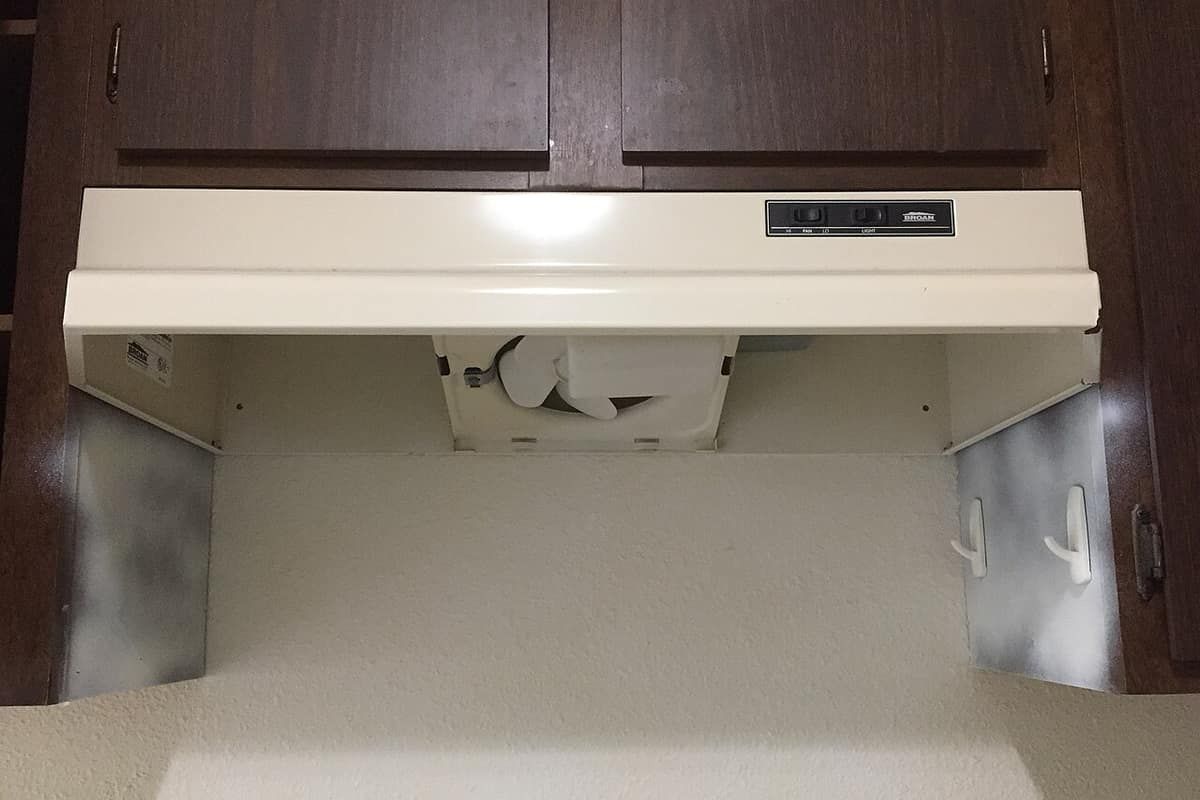
Do stovetop fire suppressors work? Partly, and inconsistently. Magnetic canisters drop powder when a flame touches their fuse, but in NIST’s 2018 full-scale tests the hood-mounted dry-chemical canister system didn’t permanently put out the oil fire in any of 6 runs. One hood-mounted wet-chemical system paired with a range shutoff put the fire out in all 7 of its runs. Treat a canister as a backup, not a plan.
It doesn’t replace watching the pan, a lid, smoke alarms, or getting out and calling 911 (USFA). This page covers three device types: magnetic dry-powder canisters (often sold as an automatic stovetop fire extinguisher), UL 300A-style range hood fire suppressor systems, and shutoff devices, which prevent fires rather than suppress them. Kitchen Watcher did not fire-test any device; this page summarizes NIST, NFPA, CPSC and manufacturer documents (how we research).
Why stovetop fires are the problem these devices target
NFPA’s Home Cooking Fires report (Hall and McGree, September 2023) counts an average of 158,400 home cooking fires a year in 2017–2021, with 470 deaths and 4,150 injuries a year. Ranges or cooktops were involved in 53% of those fires, 88% of the deaths and 74% of the injuries. Unattended cooking was the leading factor, more than a quarter of the people killed were asleep, and more than half of non-fatal injuries happened when people tried to fight the fire themselves.
The U.S. Fire Administration gives 2021 figures of about 170,000 home cooking fires, 135 deaths, 3,000 injuries and over $494 million in property loss, with unattended equipment the leading factor (37%) in nonconfined home cooking fires. NFPA and USFA use different datasets and years, so the numbers don’t match. An automatic device appeals because it acts when nobody is at the stove.
How stovetop fire suppressors work: three device types
Magnetic canisters under the hood or microwave. StoveTop FireStop’s FAQ says its units activate only when the fuse is in direct, sustained contact with a flame, not from heat, steam or smoke, and Auto-Out’s FAQ says it reacts to direct flame, not smoke or heat alone. Auto-Out calls its units one-time use, StoveTop FireStop says its canisters cannot be refilled, and both give a six-year life from manufacture. NIST describes the canister it tested as about 3.5 in wide and 3.4 in tall, holding 282 g of sodium bicarbonate, with a flame-activated fuse and a small pyrotechnic charge; two were installed, each covering about half the range.
Hood or wall systems built to UL 300A. Per NIST’s 2007 workshop report, SP 1066, typical listed units commonly use a wet chemical, detect fire with heat-responsive links typically rated 212 to 280 °F, and include provisions to shut down fuel or energy to the range and for a local alarm.
Shutoff and prevention devices. These are designed to cut power to the stove so a fire doesn’t start, rather than put out flames. See do stove shut-off devices work and the iGuard review.
Are stovetop fire suppressors UL listed?
UL 300A is an Outline of Investigation for extinguishing units on residential range tops. Per NIST SP 1066, it runs 13 fire and range scenarios on gas and electric ranges, and a pass needs three things: the flame fully out, no reignition within 5 minutes, and the oil cooled below its auto-ignition temperature. The test setup has no cabinets, counters or food.
UL’s listing category is Residential Range Top Extinguisher Units (GMCH). At NIST’s 2006 workshop (published as SP 1066 in 2007), UL listed four companies authorized to use the mark: Badger Fire Protection, Pem-All Fire Extinguisher Corp., Smartx Inc. and Twenty First Century International Fire Equipment Co. That list is almost 20 years old, so check UL’s current directory before relying on it.
StoveTop FireStop’s FAQ says it is not UL listed because UL has no standard that fits it, and that it conforms to “elements of UL 300A, 199, 711 and 1254” but none completely. Auto-Out’s FAQ says its products were tested by Southwest Research Institute and names no UL listing. Both are manufacturer claims.
Do stovetop fire suppressors work in lab tests? What NIST found
NIST Technical Note 1969, “Investigation of Residential Cooking Fire Suppression Technologies” (Hamins, Kim, Madrzykowski and Kent, February 2018, with a CPSC co-author), is the most detailed public full-scale study of these devices we found. NIST heated corn oil to auto-ignition on gas and electric ranges in a 3.6 x 3.4 x 2.4 m mock kitchen. Across 40 suppression runs of all system types, 17 fires were extinguished (40%), 12 were not (30%), 9 went out but reignited (23%), and in 2 runs the device never activated (5%).
Timing mattered. Per NIST, suppressant arrived on average 84 s after ignition in fires that ended up extinguished, against 158 s in fires that weren’t.
The dry-chemical canister system went 0 for 6: four fires not extinguished and two reignited. NIST says it “introduced tenability hazards” not present before activation, and that the powder’s momentum splashed burning oil out of the pan. The canisters have no power cutoff, so the range kept heating the oil during and after discharge.
Other results, per NIST’s Tables 4-2 and 5-1 (Wet Chem 3 and the three water mist systems are left out here; none of them was reliable):
| System type in NIST TN 1969 | Runs | Extinguished | Reignited | Not extinguished or no activation | Oil volumes used |
|---|---|---|---|---|---|
| Automatic dry-chemical canisters (hood) | 6 | 0 | 2 | 4 not extinguished | 4.5 L (4 runs), 1.6 L, 0.5 L |
| Automatic wet chemical 1 (hood) | 7 | 7 | 0 | 0 | 4.5 L (6 runs), 1.6 L |
| Automatic wet chemical 2 (hood) | 7 | 1 | 5 | 1 no activation | 4.5 L (7 runs) |
| Automatic wet chemical 4 (hood) | 4 | 1 | 0 | 3 not extinguished | 4.5 L (3 runs), 1.6 L |
| Residential sprinkler (room) | 2 | 1 | 0 | 1 not extinguished | 4.5 L (2 runs) |
| Manual wet and dry chemical extinguishers | 6 | 6 | 0 | 0 | 4.5 L (6 runs) |
These are NIST’s measured lab outcomes, not Kitchen Watcher measurements. NIST concluded the tested commercial automatic systems were “problematic” because of fire intensity, reignition and tenability, and that the capability of a system to depower the stovetop “was of critical importance.”
Earlier work points the other way. NIST’s 2007 SP 1066 summarizes full-scale experiments in a vacant apartment building. In them, one self-contained dry chemical system and one wet chemical system each put out a cooking oil fire in a skillet. SP 1066 also notes those low-cost units did not de-energize the range, and that testing to that point had only covered a skillet fire.
Three caveats apply. NIST did not name brands, so no retail canister can be tied to its 2018 results. Four of the six canister runs used 4.5 L of oil in a deep stainless pot, bigger than a typical skillet fire, although the 0.5 L run still reignited. The study is from 2018, and products may have changed since.
The 2019 CPSC recall: when a canister doesn’t fire
CPSC recall 20-037 (December 6, 2019) covered about 9,300 pairs of StoveTop FireStop Rangehood 675-3D and Microhood 677-2 units made November 7–13, 2016. The sealed openings could fail to open, so the powder couldn’t feed out. CPSC lists date code 4516 on the Rangehood and DEC 2022 on the Microhood. Two units failed during product demonstrations, no injuries were reported, and the remedy was a free replacement. More on the brand is in our StoveTop FireStop review.
StoveTop FireStop vs Auto-Out: what each maker claims
The two best-known canister brands make similar claims, and neither is named in NIST’s tests. Everything in this table comes from each maker’s FAQ except the recall row, which comes from CPSC.
| Claim | StoveTop FireStop (maker FAQ) | Auto-Out (maker FAQ) |
|---|---|---|
| What sets it off | Direct, sustained flame on the fuse, not heat, steam or smoke | Direct flame, not smoke or heat alone |
| Service life | Six years from manufacture, Replace By date on the label | Six years from manufacture |
| Reuse | Cannot be refilled | One-time use |
| UL listing | Not UL listed; claims “elements of” UL 300A, 199, 711 and 1254 | No UL listing named; says tested by Southwest Research Institute |
| Stated limits | Supports gas and electric ranges | Residential grease fires only; not deep-fat frying, food trucks or electrical fires |
| Recall history | CPSC recall 20-037 (2019), about 9,300 pairs | None in the sources we checked |
On paper the two are close to interchangeable. The bigger question is whether any canister works, and NIST’s category-level results above are the best public evidence on that.
Stovetop fire suppressor comparison by device type
| Device type | Examples (named in words, no links) | What triggers it | Suppressant | Cuts range power or gas? | Listing or standard claimed | Result in NIST TN 1969 lab fires | Source |
|---|---|---|---|---|---|---|---|
| Magnetic dry-powder canister | StoveTop FireStop, Auto-Out | Direct flame on a fuse (manufacturer FAQs) | Dry powder; sodium bicarbonate, 282 g per canister in NIST’s unit | No (NIST) | Not UL listed; “elements of” UL 300A claimed by StoveTop FireStop; SwRI testing claimed by Auto-Out | 0 of 6 permanently out (4 not extinguished, 2 reignited) | NIST TN 1969; maker FAQs |
| UL 300A-style hood system | UL-authorized makers listed in SP 1066 (2007): Badger, Pem-All, Smartx, Twenty First Century | Heat-responsive links, typically 212–280 °F | Wet chemical, commonly | Yes, shutdown provisions typical | UL 300A, category GMCH | Best system 7 of 7; others mostly reignited or failed | NIST SP 1066; NIST TN 1969 |
| Shutoff or prevention device | iGuard and similar | Varies by device; see linked guides | None | Yes, that is the purpose | Outside UL 300A, which covers extinguishing units | Not part of NIST’s suppression tests | NIST SP 1066; linked Kitchen Watcher guides |
The NIST column shows lab outcomes by system type, not by brand.
Gas vs electric, deep fryers and other limits
Canisters don’t shut off gas or electricity, per NIST, so the burner keeps heating the oil. StoveTop FireStop’s FAQ says it supports gas as well as electric ranges; details are in the review. Auto-Out’s FAQ says its product is only for residential grease fires, not deep-fat frying, food trucks or electrical fires.
In NIST’s suppression runs, the 1.6 L and 4.5 L pans took on average about 37 to 89 minutes to auto-ignite depending on pan and range; in its earlier characterization runs, a small pan with about 190 g of oil lit in roughly 16 to 20 minutes. NIST lists auto-ignition at 392 °C (738 °F) for corn oil and 445 °C (833 °F) for peanut oil. The makers say units expire six years after manufacture, while a Hinesville, Georgia fire department page describes a five-year shelf life.
Where a suppressor fits: a backup layer, not a plan
NFPA says flames from a small oil or grease fire can be smothered by sliding a lid over the pan and turning off the burner, and the pan should stay covered until it is completely cool. USFA says “Stand by your pan,” turn the burner off if you leave the kitchen, and keep a lid or baking sheet nearby.
NFPA reports automatic extinguishing systems were present in 12% of home cooking fires and only 1% of cooking fire deaths. That figure covers automatic extinguishing systems in general, not canisters specifically. Auto-Out’s own FAQ says to turn the burner off after its canister fires, if it is safe to do so, to prevent reignition. A canister may buy time, but the evidence doesn’t support relying on one.
If a pan catches fire: per NFPA and USFA, slide a lid or baking sheet over it, turn off the burner and keep it covered until cool. If you are unsure it is safe to fight the fire, USFA’s fire extinguisher guidance says to alert others, leave the building and call 911. See how to put out a grease fire and how to use a fire extinguisher.
Who should consider a canister, and who needs a shutoff device
A canister is a low-cost extra layer, for example over a rental’s range. At least one fire department promotes them: Hinesville’s offers residents installation help and presentations on StoveTop FireStop.
For memory loss or a household where the stove gets left on, a shutoff device targets the actual failure. See stove shut-offs for dementia and do stove shut-off devices work. NIST suggests the best way to control these fires may be “smart” cooktops that prevent ignition, such as those meeting the UL 858 electric cooktop standard. Compare options in best kitchen safety devices.
More on kitchen fire safety
- Best kitchen safety devices
- StoveTop FireStop review
- StoveTop FireStop installation
- How to put out a grease fire
- What fire extinguisher for a kitchen
- Kidde FA110G review
- Smoke detector near the kitchen
- How to prevent kitchen fires
Frequently asked questions
Are StoveTop FireStop or Auto-Out UL listed?
Neither maker claims a UL listing. StoveTop FireStop's FAQ says it has no UL certification because UL has no standard that fits the product, and that it conforms to elements of UL 300A, 199, 711 and 1254 but none completely. Auto-Out's FAQ says its products were tested by Southwest Research Institute and names no UL listing.
Will a range hood fire suppressor turn off the stove?
A magnetic canister will not turn off the stove. NIST's 2018 report says the dry-chemical canisters it tested have no power-disabling device, so the range kept heating the oil during and after discharge. Typical UL 300A-listed hood systems include provisions to shut down fuel or energy to the range, per NIST's 2007 workshop report.
How long do stovetop fire suppressors last?
Both makers say six years from manufacture. StoveTop FireStop's FAQ says every unit has a six-year effective life with a Replace By date on the label, and it cannot be refilled. Auto-Out's FAQ gives the same six years and says units are one-time use. A Hinesville, Georgia fire department page describes a five-year shelf life.
Are stovetop fire suppressor powders toxic?
Auto-Out's FAQ says its powder is non-toxic and non-corrosive and can go in regular trash. That is a manufacturer claim. NIST identifies the powder in the canisters it tested as sodium bicarbonate, 282 g per canister. NIST did find the dry-chemical discharge splashed burning oil out of the pan, which is a hazard separate from the powder itself.
Can a stovetop fire suppressor replace a fire extinguisher?
No source supports that. In NIST's 2018 lab fires, manual wet and dry chemical extinguishers put out all 6 oil fires they were used on, while the hood-mounted dry-chemical canister system permanently put out none of 6. NIST also notes a manual extinguisher puts the user at some risk and is no substitute for automatic protection or alarms.
Sources
- nvlpubs.nist.gov/nistpubs/TechnicalNotes/NIST.TN.1969.pdf
- nvlpubs.nist.gov/nistpubs/Legacy/SP/nistspecialpublication1066.pdf
- cpsc.gov/Recalls/2020/WilliamsRDM-Recalls-Cooktop-Fire-Suppressors-Due-to-Risk-of-Failure-to-Activate-and-Suppress-Fires
- content.nfpa.org/-/media/Project/Storefront/Catalog/Files/Research/NFPA-Research/US-Fire-Problem/Fire-causes/oscooking.pdf
- usfa.fema.gov/prevention/home-fires/prevent-fires/cooking
- stovetopfirestop.com/faq
- auto-out.com/frequently-asked-questions
- cityofhinesville.org/406/Stove-Top-Fire-Suppressors
- usfa.fema.gov/prevention/home-fires/prepare-for-fire/fire-extinguishers