What Type of Fire Extinguisher for Kitchen: ABC, BC or K?
Most home kitchens need a UL-listed ABC or BC extinguisher, not Class K. What the ratings mean, where to mount it and when a lid beats spraying.
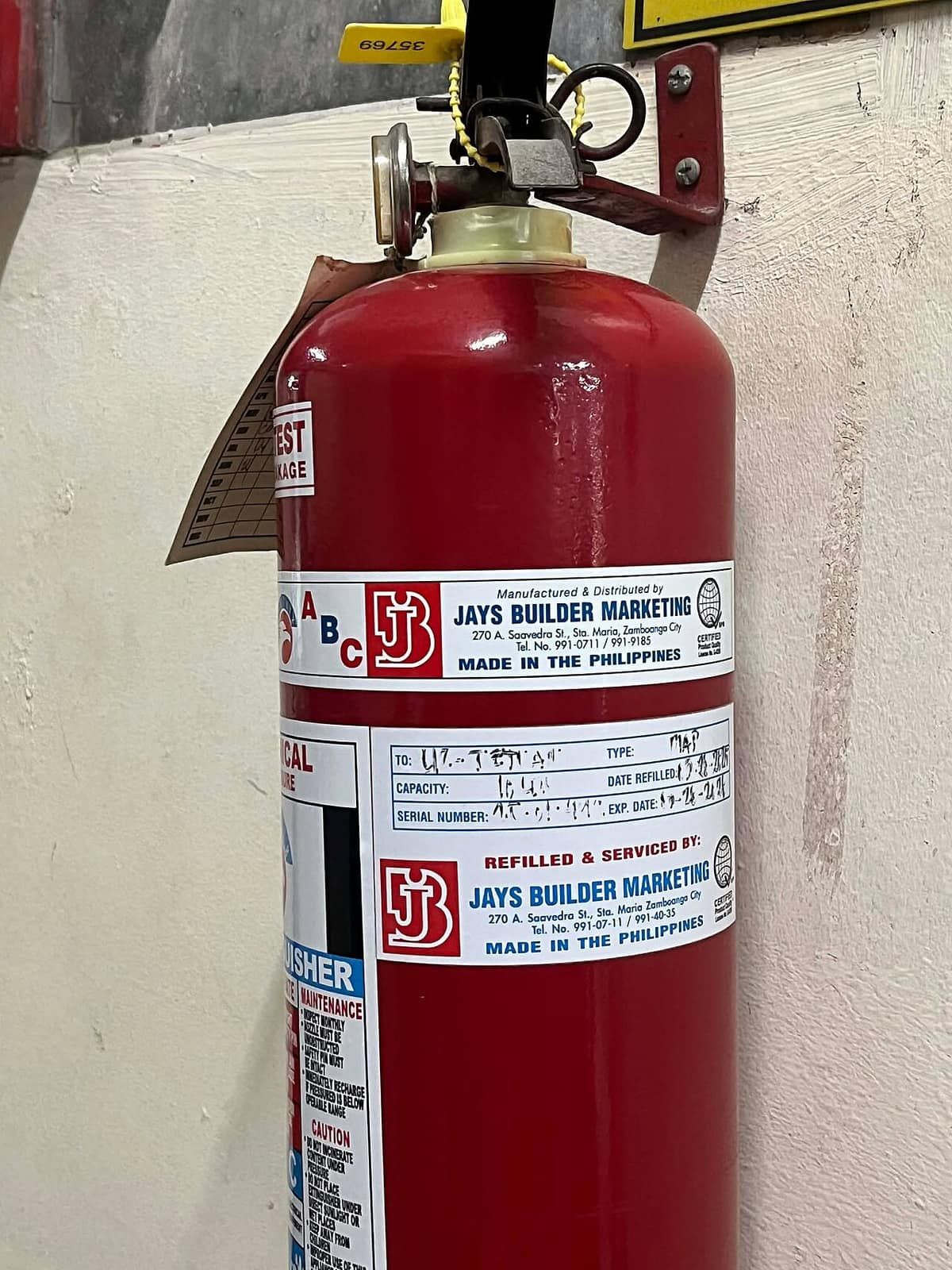
For most homes, the answer to what type of fire extinguisher for kitchen use is a UL-listed multipurpose unit. The U.S. Fire Administration says extinguishers labeled “B-C” or “A-B-C” can be used on most types of home fires. Kidde, a manufacturer, recommends an ABC unit on each story plus a BC unit at the cooking area. Class K is for commercial cooking appliances.
For a pan fire, the USFA says cover it with a lid or baking sheet. The sources don’t fully agree on ABC versus BC at the stove, and this page sets out what each one says so you can choose. No extinguisher guarantees a fire goes out. This page covers selection only: class, rating, size and placement.
The short answer by kitchen type
Here is what each source recommends, with a real kitchen fire extinguisher rating as an example of each label.
| Kitchen / fire scenario | Recommended class | Example UL rating (label) | What the source says | Source |
|---|---|---|---|---|
| Typical home kitchen | Multipurpose B-C or A-B-C | 1A:10B:C (USFA’s label example) | Multipurpose B-C or A-B-C units can be used on most types of home fires | USFA |
| Home cooking area, as a second unit | B-C | 5-B:C (Kidde kitchen and garage unit, manufacturer spec) | ABC on each story plus a BC unit for the cooking area | Kidde Canada (manufacturer) |
| Main floor of a home | Multipurpose A-B-C | 2A:10B:C, 5-lb capacity | One full-floor unit per level and in the garage, plus smaller supplemental kitchen units | Consumer Reports |
| Home pan or grease fire on the stove | Lid or baking sheet first | Not applicable | Cover the pan if it catches fire; turn the burner off if you see smoke or grease boils | USFA cooking safety |
| Commercial kitchen with fryers | K (wet chemical) | Class K | Maximum 30 ft travel distance to a Class K unit under NFPA 10 | Amerex (manufacturer), citing NFPA 10 |
Extinguisher classes, in kitchen terms
The U.S. Fire Administration lists five primary types:
- Class A: ordinary materials like cloth, wood and paper. In a kitchen, that could be a dish towel, a paper bag or a wood cabinet.
- Class B: combustible and flammable liquids like grease, gasoline, oil and oil-based paints.
- Class C: electrical equipment like appliances, tools or anything plugged into an outlet.
- Class D: flammable metals. The USFA says these are often found in factories.
- Class K: vegetable oils, animal oils and fats in cooking appliances. The USFA says these are often found in commercial kitchens.
Note the overlap. The USFA lists grease under Class B, while it places Class K in commercial kitchens such as restaurants and cafeterias.
How to read a kitchen fire extinguisher rating
The USFA explains 1A:10B:C this way: the 1A means the equivalent of 1.25 gallons of water on a Class A fire, the 10 means it can put out a Class B fire up to 10 square feet, and the C means it can be used on Class C fires. Kidde Canada adds that the numbers show relative capacity, so a 3-A puts out three times as much as a 1-A.
| Label | Class A capacity | Class B capacity | Electrical (C) | Example, per maker’s listing |
|---|---|---|---|---|
| 1-A:10-B:C | 1-A | 10-B | Yes | Kidde FA110G (per Consumer Reports); First Alert FE1A10GR |
| 2-A:10-B:C | 2-A, twice a 1-A | 10-B | Yes | First Alert FE2A10GR; Kidde’s recommended living-area rating |
| 5-B:C | None | 5-B | Yes | First Alert KFE2S5 kitchen unit; Kidde kitchen and garage unit |
A missing A matters in a kitchen. If a towel or cabinet catches, a 5-B:C unit carries no Class A rating for it. First Alert describes its BC kitchen extinguishers as ideal for fires fueled by flammable liquids such as oil and grease, and electrical fires. Our Kidde FA110 review covers one 1-A:10-B:C unit in detail.
Look for the UL Listed mark
The USFA says to always look for a “UL Listed” or “ULC Listed” label, which shows the unit is certified by a nationally recognized testing laboratory. Consumer Reports also names CSA, FM Approvals and ETL as recognized certifying labs.
ABC vs BC for the cooking area
This is where the sources split:
- USFA: multipurpose extinguishers labeled “B-C” or “A-B-C” can be used on most types of home fires. It does not pick one for the kitchen.
- Kidde Canada (manufacturer): an ABC unit on each story, plus a BC unit for the cooking area. Kidde says BC types cause less damage to appliances and furniture finishes and are preferred for kitchens.
- First Alert (manufacturer): its FAQ recommends an ABC unit for most homes, while its kitchen listing calls a BC unit ideal for the kitchen.
- Consumer Reports: one full-floor multipurpose unit on each level and in the garage, plus smaller supplemental units for the kitchen and car.
The tradeoff is coverage versus cleanup. By the USFA’s class definitions, only an A-rated unit covers ordinary materials like a burning towel, which a BC unit is not rated for. Kidde’s reason for BC is less damage to appliances and finishes; it does not quantify that. Kidde and Consumer Reports both treat the kitchen unit as a supplement to a multipurpose unit elsewhere in the home.
ABC extinguisher on a grease fire: what the sources say
An ABC unit is rated for Class B, and the USFA puts grease in Class B. The concern comes from commercial cooking. Amerex, a manufacturer, says that once UL 711 required a commercial deep-fat-fryer test, none of the 40BC extinguishers then in use could pass the entire test. It says wet chemical makes a thicker foam blanket than dry chemical and provides cooling, which dry chemical does not.
Society Insurance warns that ABC units can scatter burning grease when applied. It adds that they lack the cooling needed for high-temperature cooking oils, which can lead to rapid re-ignition.
Both sources describe commercial cooking operations. Neither addresses a home skillet, and we found no source that measures ABC performance on a small home pan. What the USFA’s cooking safety page does say is to keep a pan lid or baking sheet nearby and use it to cover the pan if it catches fire. For the full response, see how to put out a grease fire.
Do you need a Class K fire extinguisher at home?
No source we read says homes are required to have one. Amerex says the Class K category was introduced in the early 1990s for commercial cooking. It links the change to energy-efficient appliances that hold heat and a shift to vegetable oils, which it says have a higher auto-ignition temperature than animal fats (it gives 685 versus 650, without a unit).
The requirements Amerex and Society Insurance cite are commercial. Amerex quotes NFPA 10’s 30 ft maximum travel distance to a Class K unit. Society Insurance attributes the 30 ft rule to NFPA 96. Amerex also notes NFPA 96 treats automatic fire-extinguishing systems as primary protection and portable extinguishers as secondary backup.
Automatic canisters that mount over the stove are a different device; see do stovetop fire suppressors work and our StoveTop FireStop review.
Size and weight: pick the largest you can handle
The USFA says to select “the largest fire extinguisher that a user can safely and comfortably operate.” Consumer Reports says a 5-pound-capacity 2A:10B:C model weighs about 10 pounds, and that models over 9 pounds can be harder to hold and use. In Consumer Reports’ evaluation, models with the pull pin opposite the pressure gauge were more comfortable to use. It also says a gauge is essential to know whether the unit is ready.
Where to mount it in the kitchen
Consumer Reports says manufacturers recommend mounting extinguishers in their bracket, in plain sight, 3.5 to 5 feet above the ground, rather than under the sink. First Alert’s FAQ, by contrast, lists under the kitchen sink as an easy-to-reach spot. Kidde Canada says its recommended 2-A:10-B:C living-area units should be on every level, no more than 40 feet apart.
Kidde also says to use an extinguisher only with a clear exit behind you, so keep it where you can reach it without the fire between you and the way out. Detector placement is a separate question, covered in smoke detector near kitchen.
Before you use any extinguisher
The USFA’s checklist: others have been alerted, someone has called the fire department, you are physically able, the fire is small and contained in a single object or surface (like a pan), you are safe from toxic smoke, and you have a clear escape route. It says young children and older adults should not use extinguishers.
If you are unsure, the USFA says to leave the building and call 911 from a mobile or neighbor’s phone. The technique is PASS; see how to use a fire extinguisher.
For upkeep, the USFA says to check pressure, working parts, easy access and cleanliness. Consumer Reports, citing NFPA, says disposable dry chemical units should be discarded 12 years after the manufacture date. See how long fire extinguishers last and the Kidde recall check.
More on kitchen fire safety
- Best kitchen safety devices
- How to put out a grease fire
- How to prevent kitchen fires
- Kidde FA110 review
- How we research
This guide is research-based. We did not use or discharge any extinguisher for it.
Frequently asked questions
What type of fire extinguisher is best for a home kitchen?
The U.S. Fire Administration says multipurpose extinguishers labeled B-C or A-B-C can be used on most types of home fires and to look for a UL or ULC Listed label. Kidde Canada recommends an ABC unit on each story plus a BC unit for the cooking area. Consumer Reports suggests a full-floor multipurpose unit per level plus a smaller supplemental kitchen unit.
Do I need a Class K fire extinguisher at home?
No source we read requires one at home. Class K was introduced in the early 1990s for commercial cooking appliances, according to Amerex, and NFPA 10 sets a 30-foot maximum travel distance to one in commercial kitchens. For a pan fire at home, the U.S. Fire Administration says to cover the pan with a lid or baking sheet.
Can you use an ABC extinguisher on a grease fire?
ABC units are rated for Class B fires, which the U.S. Fire Administration says include grease. Society Insurance warns that dry chemical discharge can scatter burning grease and that the fire can reignite because the powder does not cool the oil. That evidence comes from commercial fryers, and the USFA's first advice for a pan fire is a lid.
What does 1-A:10-B:C mean on a fire extinguisher?
It means the extinguisher provides the equivalent of 1.25 gallons of water on a Class A fire, can put out a Class B fire up to 10 square feet, and can be used on Class C electrical fires, per the U.S. Fire Administration. Kidde Canada adds that the numbers show relative capacity, so a 3-A puts out three times as much as a 1-A.
What size fire extinguisher should I keep in the kitchen?
Choose the largest fire extinguisher you can safely and comfortably operate, per the U.S. Fire Administration. Consumer Reports notes a 5-pound-capacity 2A:10B:C unit weighs about 10 pounds and that models over 9 pounds can be harder to hold. It recommends a full-floor unit on each level plus a smaller supplemental unit for the kitchen.
Sources
- usfa.fema.gov/prevention/home-fires/prepare-for-fire/fire-extinguishers
- usfa.fema.gov/prevention/home-fires/prevent-fires/cooking/index.html
- kiddecanada.com/en/safety-hub/fire-extinguishers/choosing-a-fire-extinguisher-for-your-home
- amerex-fire.com/learning-center/flashpoint/what-is-a-class-k-fire
- societyinsurance.com/blog/the-difference-between-class-k-fire-extinguishers-vs-abc-fire-extinguishers
- consumerreports.org/home-garden/fire-extinguishers/buying-guide
- firstalert.com/collections/home-fire-extinguishers